
The Allure of Risk and Reward
Casino games captivate players through the combination of risk and potential reward. The thrill of gambling often stems from the possibility of winning large sums of money, which can be a powerful motivator. This rush of excitement is rooted in our psychology; the prospect of winning triggers the brain’s reward system, releasing dopamine and creating a sense of pleasure. This biochemical response can lead to a cycle where the thrill of risk encourages continued play, as players chase the euphoric feeling associated with wins. Furthermore, many players rely on resources to discover the best options available; for instance, exploring aus online casinos can enhance their chances of success.
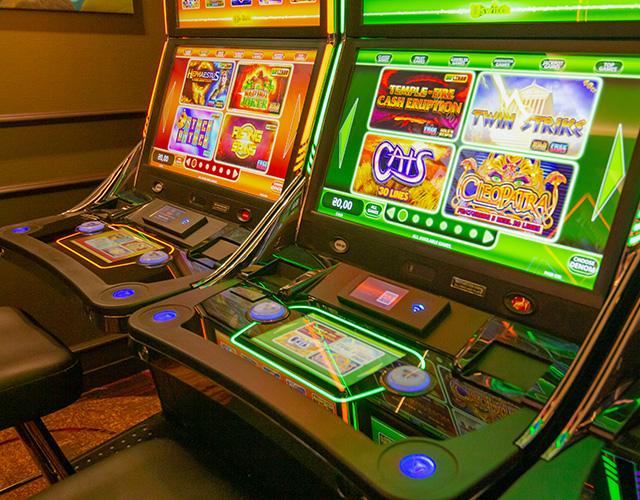
Moreover, the design of casino games often amplifies this allure. Games are structured to maximize excitement, offering frequent small wins alongside rare, significant payouts. This unpredictability keeps players engaged and coming back for more, as each spin or card drawn is steeped in suspense and potential. Understanding this interplay between risk and the brain’s reward mechanisms offers insight into why so many are drawn to the casino environment.
The Role of Cognitive Biases
Cognitive biases play a significant role in why individuals engage in gambling. One of the most prevalent is the illusion of control, where players believe they can influence the outcome of games that are fundamentally based on chance. This belief leads to a more immersive experience, as players feel empowered, even in a scenario dominated by luck. Such biases can cloud judgment, making it easier for players to overlook losses and focus instead on the next potential win.
Additionally, the gambler’s fallacy can often influence decision-making in casinos. Players may think that past outcomes affect future results, leading them to believe that a win is “due.” This misconception can drive them to bet more, anticipating that luck will eventually turn in their favor. Understanding these psychological traps is crucial for players to recognize when they are acting against their financial interests.
The Social Aspect of Gambling
The social dynamics of gambling also enhance its psychological appeal. For many, visiting a casino is not just about the games; it’s about the experience shared with friends or even strangers. The communal atmosphere in casinos, filled with excitement and camaraderie, fosters a sense of belonging among players. Engaging with others, sharing the highs of winning and the lows of losing, creates memorable social interactions that can be just as rewarding as the games themselves.
This social element is further emphasized in online casinos, where players can engage with others through chat features or multiplayer games. The ability to connect with fellow gamblers enhances the overall experience and can lead to increased playtime. This blend of social interaction and gaming contributes significantly to players’ motivations and their continued return to casino environments.
The Psychological Impacts of Winning and Losing
Winning can lead to a phenomenon known as the “winner’s high,” where players experience immense joy and satisfaction. This emotional high can create a strong connection to gambling, making individuals more likely to return to casino games. Conversely, losing can also have intense psychological effects, leading to feelings of frustration, shame, or distress. Some players might double down on their bets to recover their losses, often entrenching themselves deeper into a cycle of gambling.
The emotional rollercoaster associated with gambling underscores the need for self-awareness and understanding of one’s motivations. Recognizing the potential psychological impacts of both winning and losing is vital for maintaining a healthy relationship with gambling. Players need to adopt a mindful approach to gaming, ensuring that they engage for enjoyment rather than as an escape from negative feelings.

Maximize Your Gaming Experience
For players looking to enhance their gambling experience, understanding the psychology behind casino games can be invaluable. Being aware of how risk, cognitive biases, and social interactions influence behavior allows players to make informed choices. By recognizing the emotional highs and lows associated with gambling, individuals can better manage their gameplay and mitigate potential negative impacts.
In the competitive landscape of online casinos, choosing the right platform can significantly affect your gaming experience. Factors such as game variety, payout rates, and community engagement are crucial when looking for the best online casino. By leveraging expert insights and recommendations, players can enjoy a more rewarding and balanced gambling experience.